Panel Discussion: Smart Business, Smarter Domains: The Next Wave of Digital Brands
Smart Business, Smarter Domains: The Next Wave of Digital Brands Domains are no longer just technical necessities. They have become strategic brand assets that shape trust, visibility, and identity long before a user reaches a product or service. At the conference “Smart Business, Smarter Domains: The Next Wave of Digital Brands”, experts from branding, law, digital strategy, and technology come together to explore why domains, especially local domains, matter more than ever. The discussion also touches on how the rise of AI driven search, automation, and digital decision making is changing the way domains are discovered, evaluated, and trusted. Through a structured panel discussion, we will challenge the traditional view of domains and examine their expanding role in brand positioning, market credibility, legal protection, and digital sovereignty. Key topics include: The Big Picture How domains evolved from technical details into strategic decisions, and how they function today as part of brand identity alongside name, logo, and tone of voice. Local Domains and Brand Trust How local domains, with .rs as a key example, influence perception, trust, and positioning.

Dušan Simić
Dušan Simić is a marketing executive and brand strategist with more than 15 years of experience in marketing, brand development, and strategic communications. He currently serves as Chief Marketing Officer at Mercury.AI, where he is responsible for marketing strategy, brand positioning, and go-to-market activities. Throughout his career, Dušan has worked across technology, financial services, and consumer-oriented industries, leading brand strategy, integrated marketing initiatives, and organizational alignment around brand and business objectives. His work focuses on building clear brand architectures, supporting business growth, and ensuring consistency across products, communication, and customer experience. He holds a PhD in Philosophy and an MBA in Marketing, supporting a structured and insight-driven approach to marketing strategy.
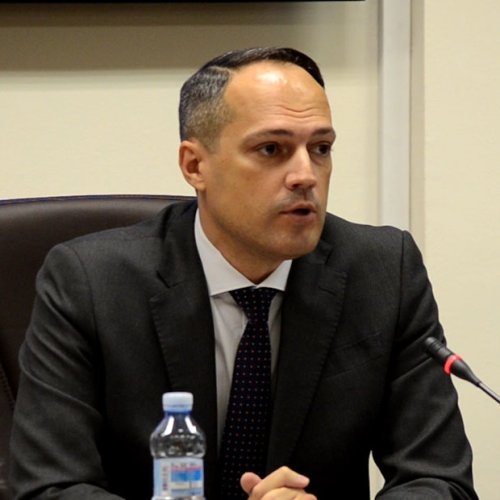
Dr. Dušan Popović
Dr. Dušan Popović is a Professor of Intellectual Property Law, Competition Law and Internet Law at the University of Belgrade Faculty of Law. He drafted the Serbian rules for domain name dispute resolution and serves as President of the Serbian Domain Names Dispute Resolution Commission. Since 2015, he organizes „Internet Dialogue“, the annual conference on legal aspects of digital technologies, supported by the University of Belgrade and RNIDS. He recently established the Association for Law and Technology, to enable dialogue between lawyers, engineers and other stakeholders involved in the intersection between law and technology.

Kristian Hansen
Senior consultant at Punktum dk A/S, top administrator of .dk domain names.
Kristian has more than 8 years of experience in the domain industry and has worked with strategic communication and dissemination of Punktum dk’s work to increase security on the Danish part of the internet. Also focus on the domain’s role for business owners and the importance of having a local domain name in a branding context. Previously, Kristian has worked with electronic case and document management as Marketing Manager and Art Director. Kristian holds a master’s degree in history and religious studies from the University of Copenhagen.
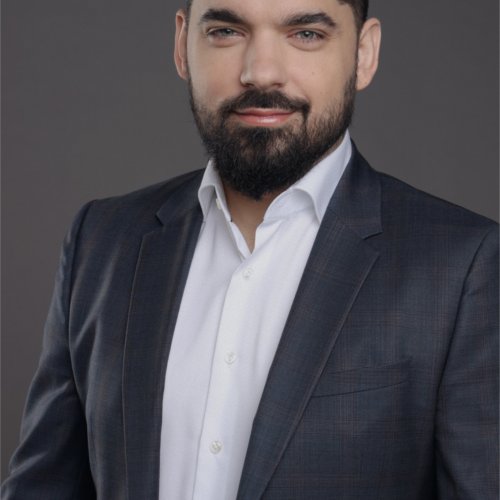
Csaba Bodor
Managing Director, .hu ccTLD Registry
Csaba Bodor is a domain industry professional with extensive experience in digital products, digital identity, and national top-level domains. He currently serves as the Managing Director of the .hu country code top-level domain (ccTLD), where he oversees the strategic development, operational stability, and trust of Hungary’s national domain space. With a strong background in digital infrastructure and policy, Csaba advocates for domains as more than technical assets—positioning them as core elements of brand identity, trust, and digital sovereignty. His work bridges the interests of businesses, institutions, and end users, with a particular focus on local market needs, legal frameworks, and cybersecurity challenges.